The November Elections Are Over. What Did We Learn about Turnout?
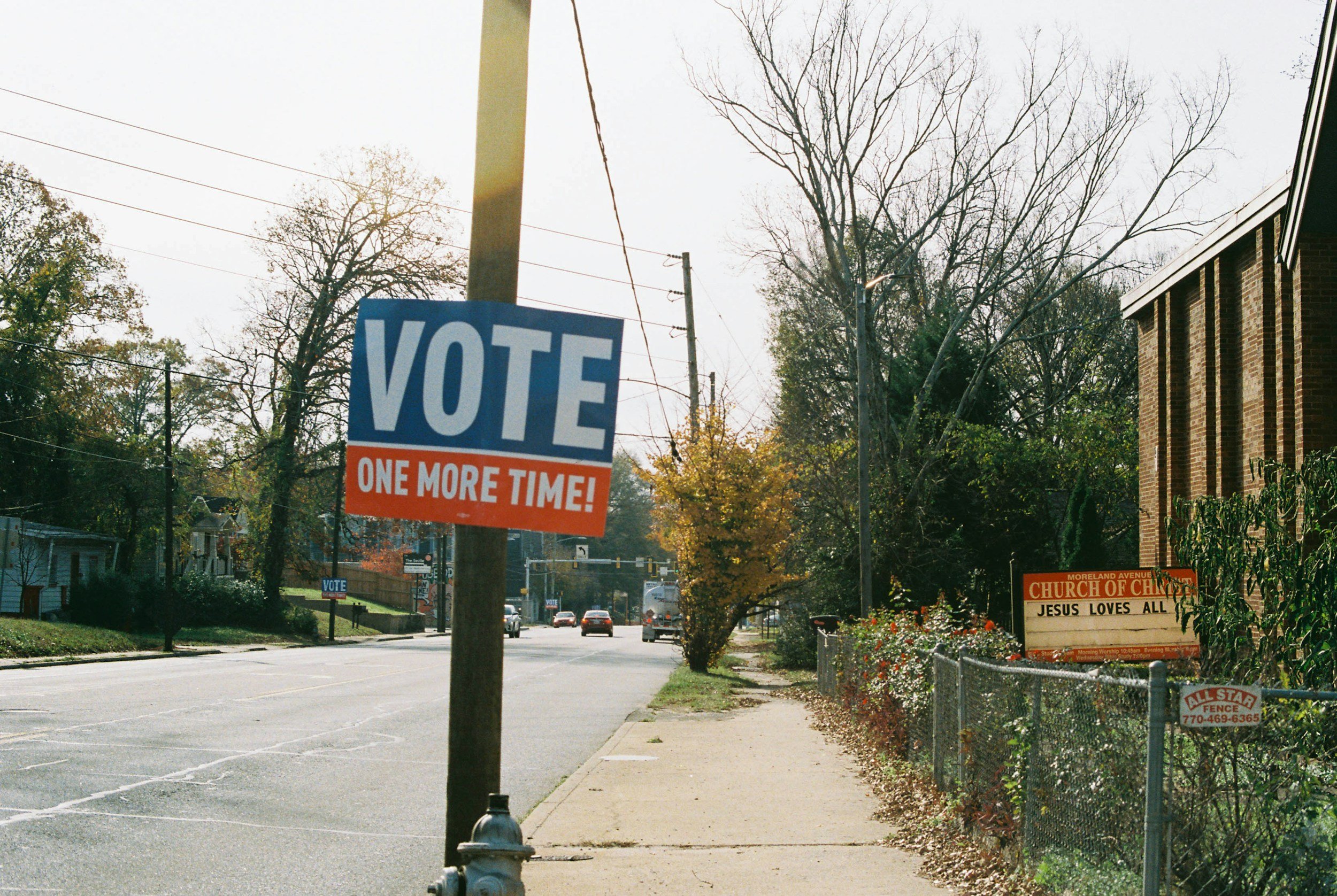
Strong Election Turnout in Certain States
The ballots are cast, the ads are off the air, and the yard signs are fading.
So, let’s look at voter turnout.
Turnout Stayed High by Historical Standards
The past two presidential cycles produced some of the strongest participation in more than one hundred years. Pew Research Center reports that about 66 percent of eligible voters participated in 2020, and about 64 percent participated in 2024.
Minnesota, Wisconsin, Michigan, New Hampshire, and Colorado led the nation with turnout in the seventies.
Hawaii, Oklahoma, Arkansas, West Virginia, and Texas landed at the bottom with turnout in the fifties or lower.
Pew links these elevated numbers to sharper political intensity and to a shared belief that election outcomes carry significant consequences.
Off-year Elections in 2025 Kept Voters Engaged
The 2025 elections didn’t include the presidency, but several races drew national attention. An analysis from the Associated Press found strong turnout for an off-year.
New Jersey reached its highest participation for a governor’s race since 2009 at just under fifty percent.
New York City saw what AP called a “generational” turnout for its mayoral election. More than two million New Yorkers cast ballots, which is the highest number since 1969.
Almost three million Texans cast ballots in the 2025 Texas constitutional amendment election, likely setting a new record for an off‑year in the state. Turnout was around 15 % of registered voters, higher than the ~14.4 % in 2023.
These results show that voters can remain engaged when they view the choices as meaningful.
Voting is Easier Logistically, But Access Still Varies
One underreported success story of the 2024 cycle involves the mechanics of voting. Early voting and mail voting continued to expand across the country. About 97 percent of voters had at least one way to vote before Election Day, either early in person or by mail. Forty-seven states and the District of Columbia offered an early voting option. Only three states required most voters to vote on Election Day, with strict limits on mail ballots.
Researchers point out that voting is easier today than it was twenty years ago. That progress is encouraging, but turnout still depends on more than the rules. Differences across states and persistent gaps by age, income, and education show that information, trust, and time continue to shape participation.
The Bottom Line
The past two elections confirmed a simple truth. People participate at high levels when they have clear information, reliable options, and a sense that their choices matter.
Connect with IGC Institute
If you want support to help your team or your community understand these trends, the IGC Institute can help. You can reach our team for resources, presentations, or simple explanations you can share with others.