What the Close of the 2026 Texas Primary Filing Period Means for Employers and Civic Leaders
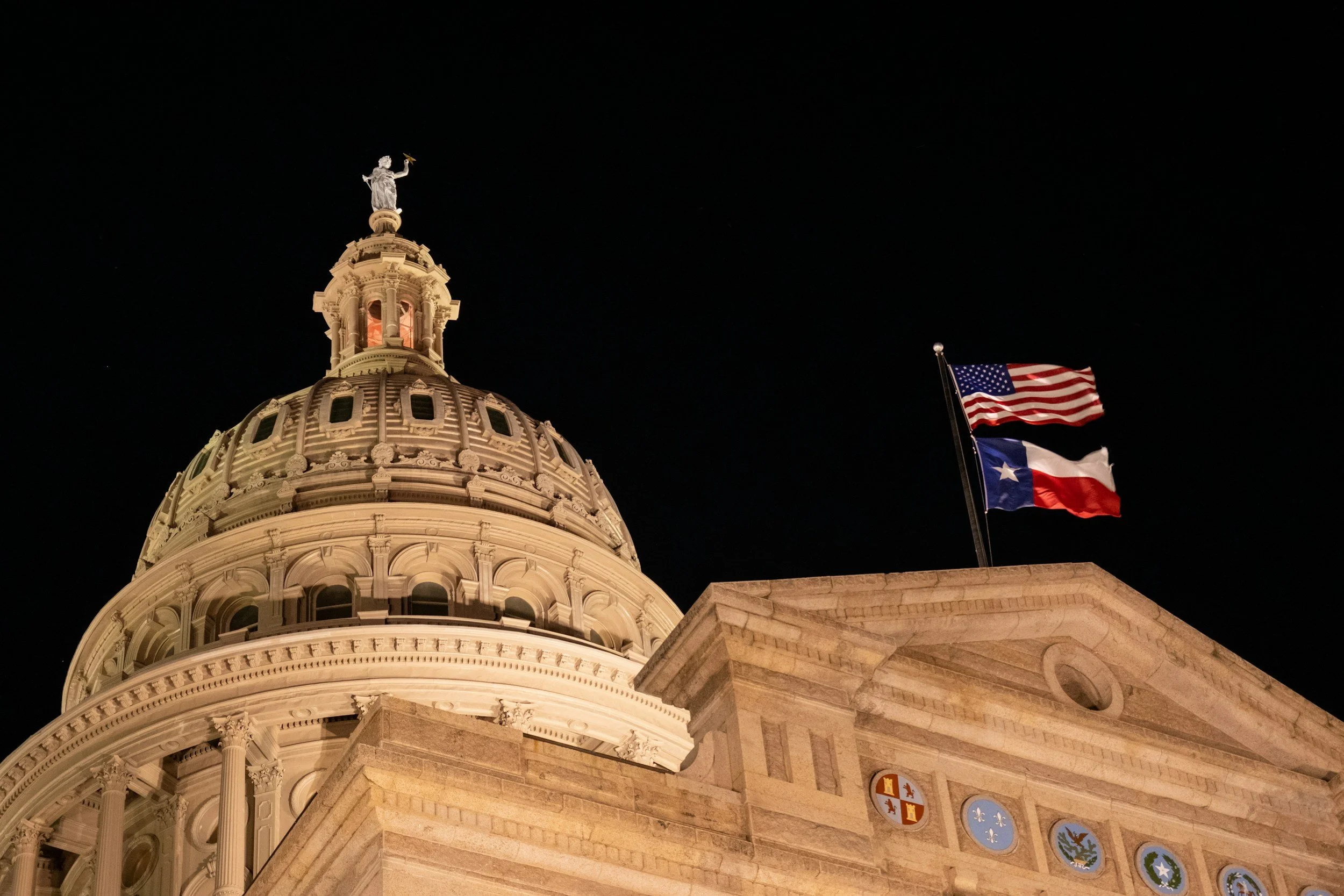
Texas Capitol at night
Filing deadline sets the stage for Texas’s 2026 elections
The 2026 election cycle reached a major milestone this week. On Monday, December 8, at 6 p.m. CST, Texas officially closed its filing period for candidates who want to appear on the March 3 primary ballot. The deadline may seem procedural, yet it shapes the election season ahead and gives organizations a clearer sense of what to expect in 2026.
Determines who appears on the ballot
Once filing closes, the field is set. Every candidate for statewide office, Congress, and select local positions must have filed by this point. Party officials will now begin reviewing and certifying the final list. This moment signals the start of a more predictable election calendar. Employers and civic leaders now know which statewide offices will be contested, which congressional districts will see competitive primaries, and where political dynamics may influence workplace conversations or community programming.
U.S. Senate race saw significant last-minute changes
Representative Jasmine Crockett entered the Democratic primary shortly before the deadline, triggering a realignment in the field. On the Republican side, Senator John Cornyn now faces multiple challengers, including Ken Paxton and Wesley Hunt. This move sets up competitive primaries for one of the most closely watched Senate seats in the country.
Many statewide and district-level races also drew crowded fields
Races for governor, attorney general, railroad commissioner, and other statewide roles attracted a wide range of candidates. Several districts that have experienced significant population shifts now have competitive primaries on both sides, signaling energized voter participation heading into March.
Parties will certify candidate lists in mid-December
With the filing period closed, political parties now move into the formal certification process. Certified lists will be available publicly in mid-December, giving workplaces and community partners the clarity they need to begin planning education and engagement efforts. Primary Election Day is March 3. If no candidate receives a majority, runoffs will take place on May 26. Workplaces that plan in early 2026 will be best prepared to support employees through these key dates.
Workplaces have a meaningful role during election seasons
The beginning of primary season is an opportunity for employers to:
Share clear, nonpartisan updates that reduce confusion
Give managers and teams the information they need to support employees
Reinforce policies on participation and time off
Strengthen trust through steady, factual communication
Employees consistently say their employer is one of their most trusted sources of information. When organizations help people understand what is happening and how to participate, workplace stress decreases.
Texas is entering a pivotal election cycle. We’re here to help.
With the candidate field now set, the state is entering an election year that will shape the workforce, the economy, future regulations, and long-term community priorities. Organizations that begin planning today will be better positioned to support their teams and foster a healthier civic culture.
The IGC Institute will continue sharing simple, nonpartisan updates to help workplaces engage confidently and responsibly throughout 2026. If you would like help developing your civic engagement plan, our team is here to support you.