Build Your Civic Foundation
OverviewWhen ERG leaders see how other companies have supported civic participation in safe and simple ways, the path forward becomes clearer.
This module gives you a set of practical case studies from workplaces of different sizes and industries. Each example shows how a company put nonpartisan civic support into practice, what they learned, and how ERGs contributed to the success of the effort.
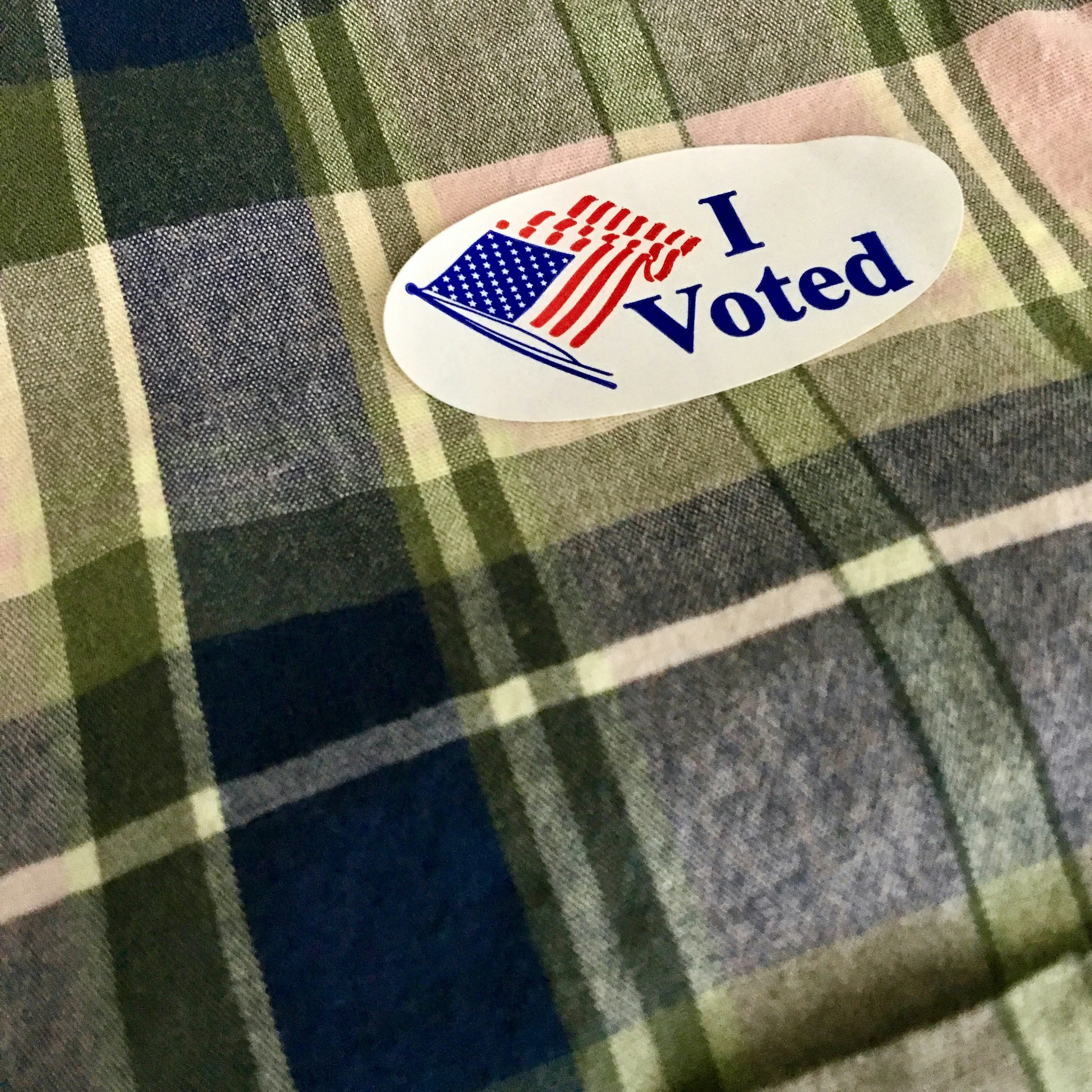
Employees look to ERGs for trust, belonging, and clarity. Many leaders want to support civic participation but are unsure how to begin or how far they can go.
Real examples help you:
See what works in organizations with similar cultures
Learn what to avoid so you do not accidentally cross political or legal lines
Show your executive sponsors that civic activity can be simple, safe, and aligned with business goals
Understand how even small ERGs make a big difference
Case studies give you permission to start small and grow thoughtfully.
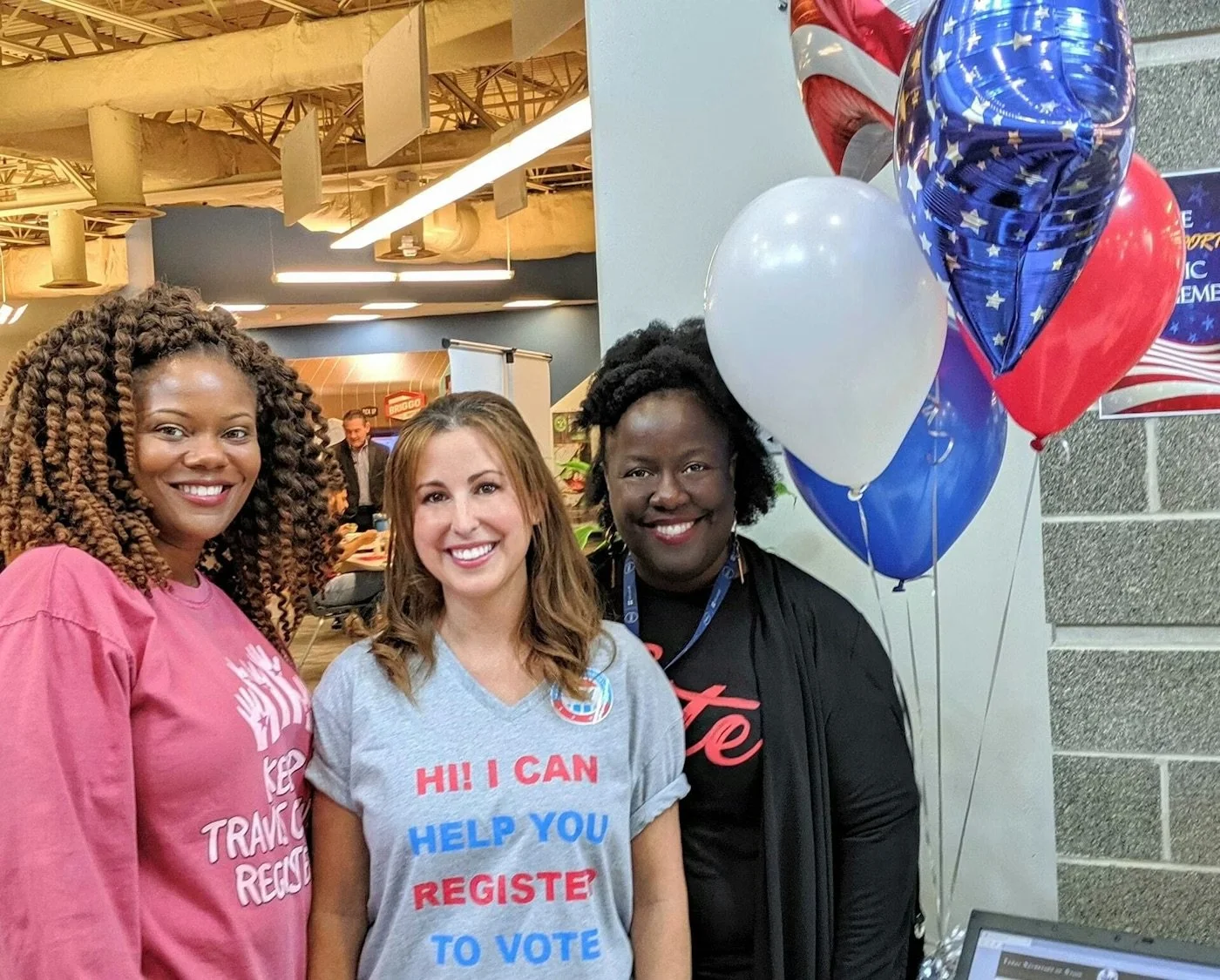
Dell Technologies
A Multi-year, Cross-Company Civic Engagement ProgramWhat they did: Dell created an annual, nonpartisan civic effort focused on voter education and participation. The program used simple communication rhythms tied to civic holidays, clear internal guardrails, and employee emails supported by HR and Corporate Affairs.
Why it worked: Dell kept the program steady and predictable. They offered employees trusted information, reminders, and low lift actions. They treated participation as part of being an informed workforce, not a political stance.
What ERG leaders can take from this story:
A steady rhythm matters more than big events
Employees appreciate clarity and permission
ERGs can amplify company messages in ways that feel personal and values aligned
Old Navy
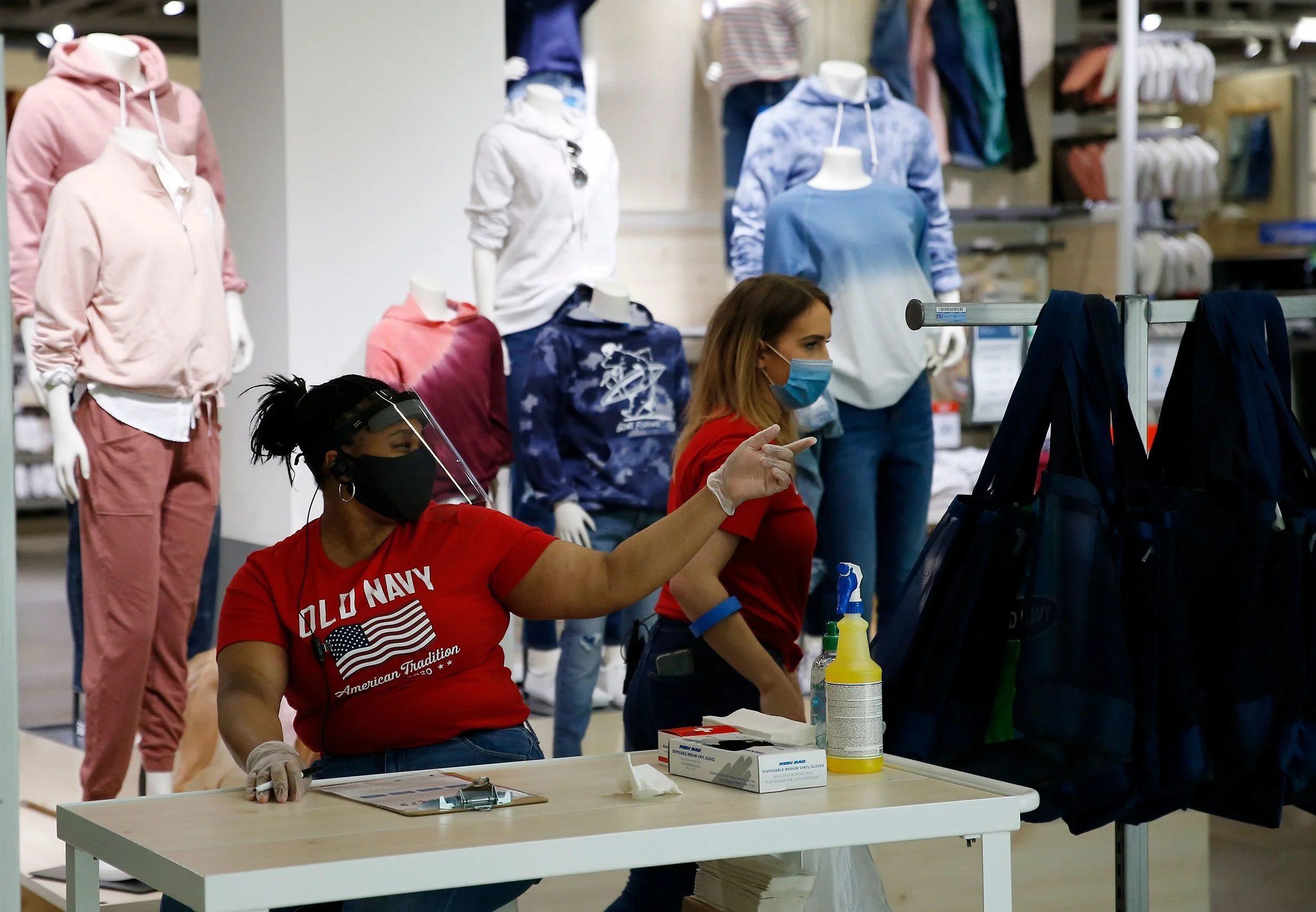
Giving employees time & flexibility to participateWhat they did: Old Navy offered associates paid time off to vote or serve as poll workers. They paired this benefit with simple training, internal communication, and story sharing from employees who used the time.
Why it worked: The program removed a real barrier for shift workers. It also built trust by showing that leadership understood the realities of hourly schedules.
What ERG leaders can take from this story:
Practical support sends a stronger signal than slogans
PTO, flexible scheduling, or manager talking points can change participation rates
ERGs can help collect stories and insights that show leaders the value of these supports
Silicon Labs
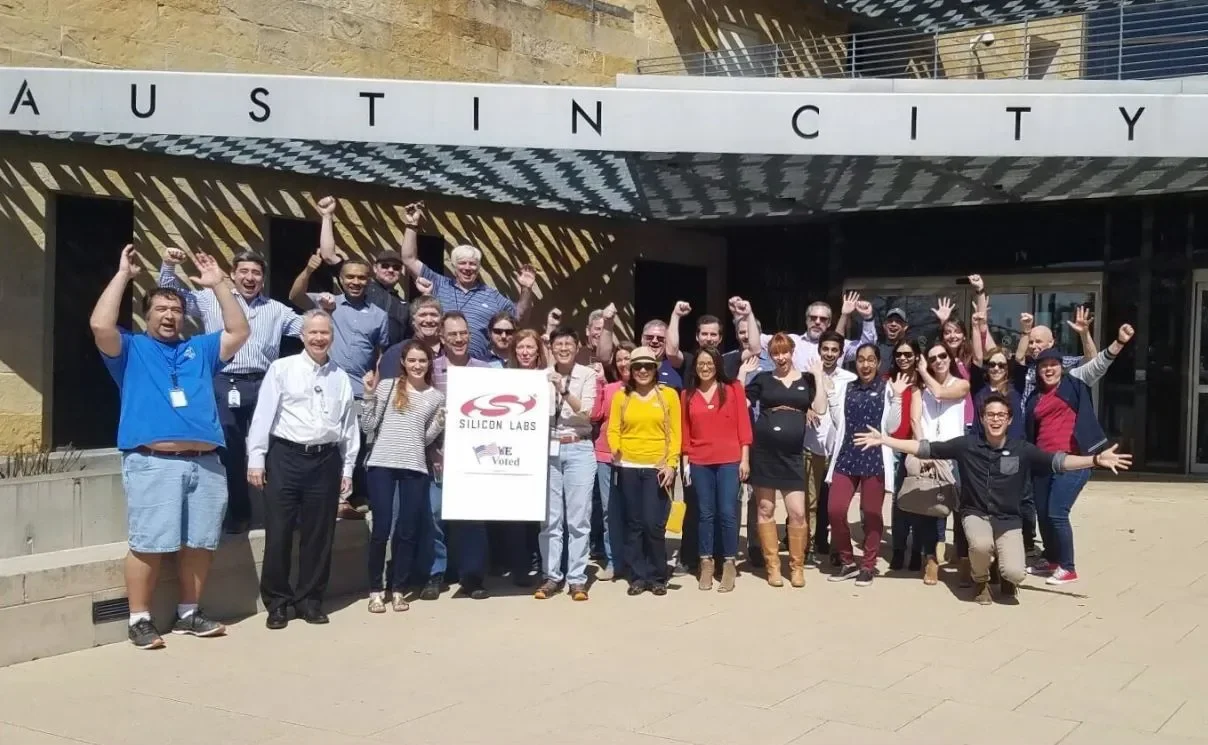
A Creative, Culture-first Approach to ElectionsWhat they did: Silicon Labs hosted “Turnout for Tacos,” a nonpartisan early vote celebration where employees could check registration, learn about ballot items, and walk to the polls together. The event included food, music, and open conversations about civic responsibility.
Why it worked: The tone was light, friendly, and employee centered. Leaders stayed nonpartisan while still naming the importance of participation.
What ERG leaders can take from this story:
Civic participation can be joyful
Light touches reduce anxiety
Small acts of visibility from ERG leaders inspire others
UPS
A Trusted Courier Helping Deliver DemocracyWhat they did: UPS created a large scale effort that combined employee civic education, volunteer opportunities, and community programming. ERGs played a key role in spreading awareness and hosting conversations across locations.
Why it worked: UPS used their strengths as a logistics provider to frame civic engagement as a service to community wellbeing. Their message felt aligned with their operations, so employees supported it naturally.
What ERG leaders can take from this story:
Use your company’s core story to make civic action feel natural
ERGs can bring messages into breakrooms, shift meetings, and Slack channels
Broad efforts still rely on small moments of leadership
Bumble
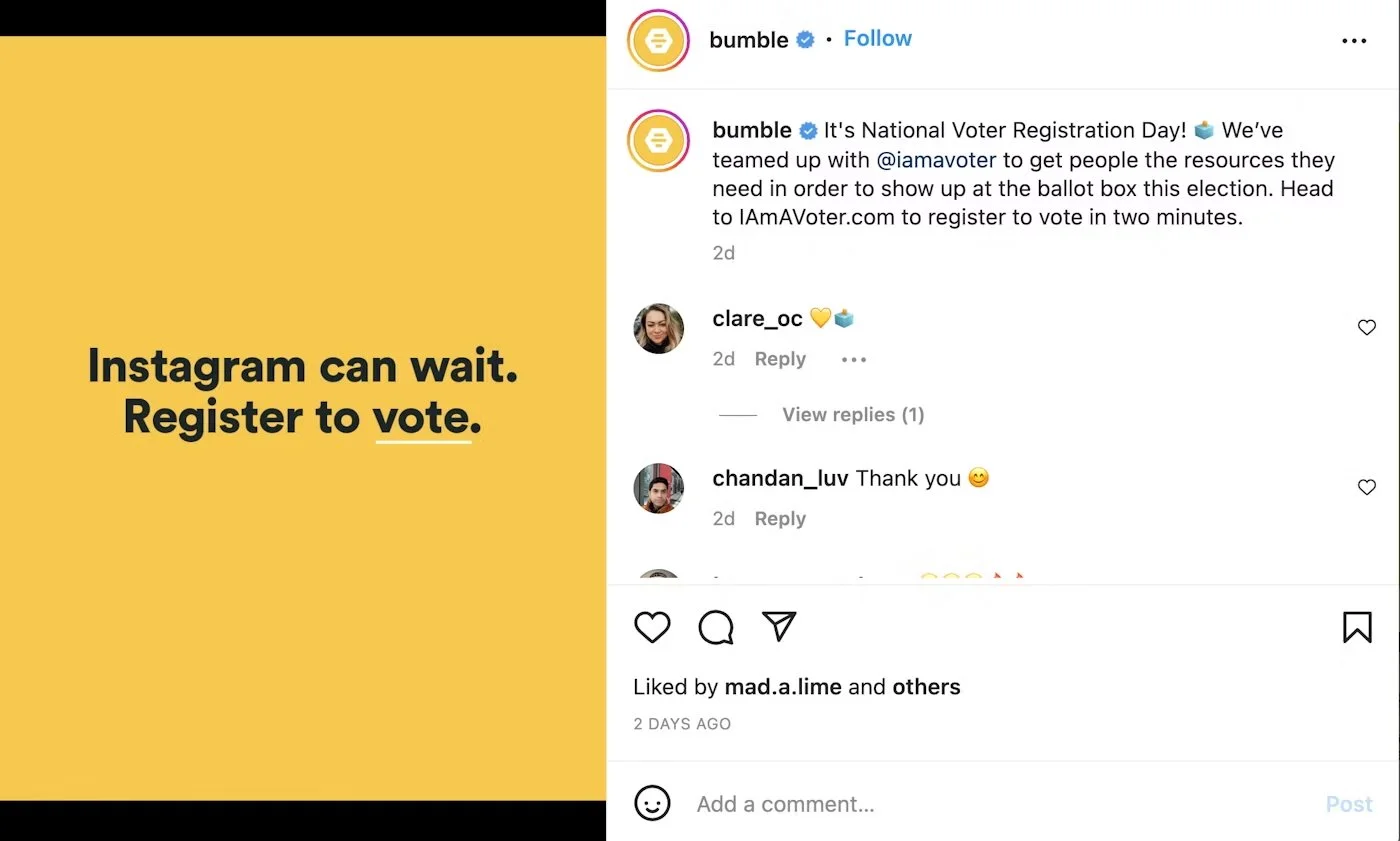
Meeting people where they already areWhat they did: Bumble integrated civic information directly into its app through a nonpartisan badge and voter registration tools. They also worked with staff ERGs to host civics bingo, share simple scripts, social content, and Slack prompts.
Why it worked: The company placed civic action inside an experience employees and users already trusted. The tone remained friendly and aligned with Bumble’s brand.
What ERG leaders can take from this story:
Meet people where they already communicate
Simple digital tools can make participation feel easy
Brand alignment matters as much as mechanics
Your ERG does not need to reinvent the wheel.
Real companies have done this well, with simple actions and clear guardrails. You can use their lessons to build something that fits your culture and supports your members with confidence.
-
Use these prompts with your leadership team or executive sponsor.
• Which case study feels closest to our company culture
• Which example could we try at the smallest, lowest lift scale
• What real barriers do our members face
• What tone describes our ERG’s personality and how can we bring that into civic efforts
• What one learning from these cases can we put into practice this quarter -
• Choose one pattern from a case study and map how it might look inside your company
• Share two examples with your executive sponsor to spark a conversation about support
• Use these cases in a quick ERG lunch and learn to build confidence and alignment